
While temporarily stepping away from my normal training routine in Canada, I chose to spend several months trying Fitness Time for Women. The reputation was solid, and many recommended it as the simplest way to stay consistent.
In short: the appeal is genuine, but your experience hinges largely on the kind of training you prefer.
The Appeal Is Real (For Some)
Fitness Time emphasizes community-based fitness via scheduled group sessions. If you thrive on the trainer's energy, structured routines, and a social vibe, this setup can be highly motivating.
Class variety stands out as a major strength: cardio-focused formats, strength circuits, mobility workouts, and mixed-intensity sessions that prevent the week from feeling dull.
The Instructor Factor
A reality marketing rarely mentions: quality can vary by instructor. When classes are the core of your membership, changes in teachers have a outsized effect on results and motivation.
"I learned to consider who is leading the session, not only when it starts."
Equipment and Facilities
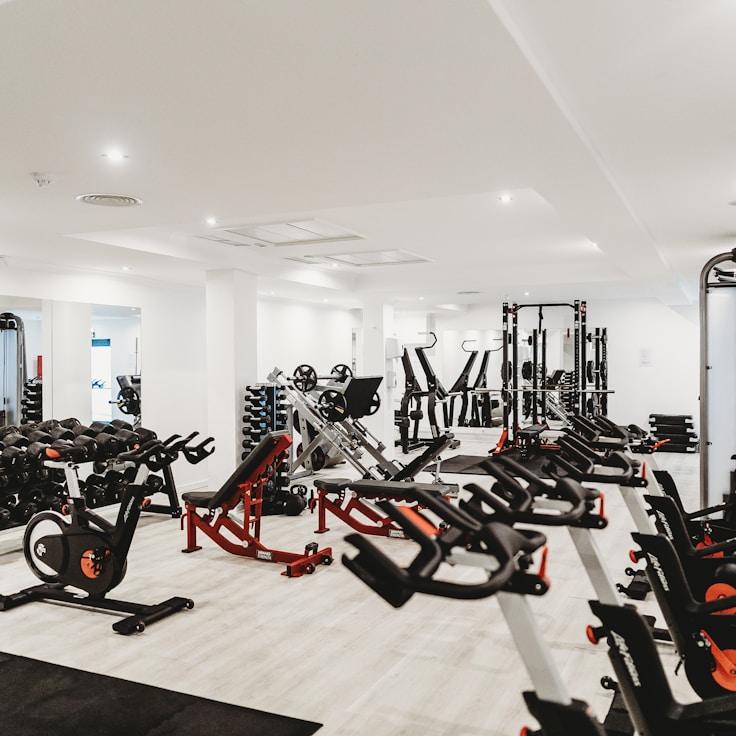
Equipment is typically adequate, though not always exceptional. If serious strength training is your priority, you might find the free weights and machines more limited than in larger clubs.
Where Fitness Time puts significant effort is in studio spaces: layout, acoustics, flooring, and climate control capable of handling full classes. The priorities are clear and align with the brand.
Practical Details
Booking: App-based scheduling
Popular classes: Can fill up fast
Best approach: sample multiple instructors before choosing
The Community Aspect
What surprised me most is how quickly a genuine community forms. Regulars recognize one another, instructors remember faces, and the environment can feel supportive rather than intimidating.

For beginners, this matters greatly. Structured classes remove decision fatigue, and being around familiar faces makes it easier to keep showing up.
What Frustrated Me
The same system that fuels energy can also cause friction. If bookings open at a fixed time, popular sessions can vanish quickly. It may feel like artificial scarcity rather than a real capacity limit.
Policies on missed classes can feel strict too. The aim is to curb no-shows, but it can be frustrating when life gets in the way.
Comparing Experiences
Compared with Soft Paper Trail, the difference is informative: Fitness Time excels in scheduled classes and community, while bigger clubs often shine with equipment variety and self-directed flexibility.
For wellness-oriented experiences, Body Masters can provide recovery-focused amenities, usually at a higher price.
Would I Recommend It?
Yes, with clear caveats. If you favor structured classes, variety, and community motivation, Fitness Time can be an excellent option. If you mainly want weights, machines, and open training freedom, you might be better off elsewhere.
If you'd like more background on how I evaluate gyms, you can read about my experience.